£1500 – 2024 – Gampaha Thihariya School for the Physically Handicaped school visit

£1500 – 2024 – Gampaha Thihariya School for the Physically Handicaped school visit

A Journey of Hope and Support

Visit to Thihariya, Gampaha Islamic Centre for Visually Handicapped

Join us as we explore the inspiring work being done at the Thihariya, Gampaha School for Visually Handicapped, where education and empowerment meet.
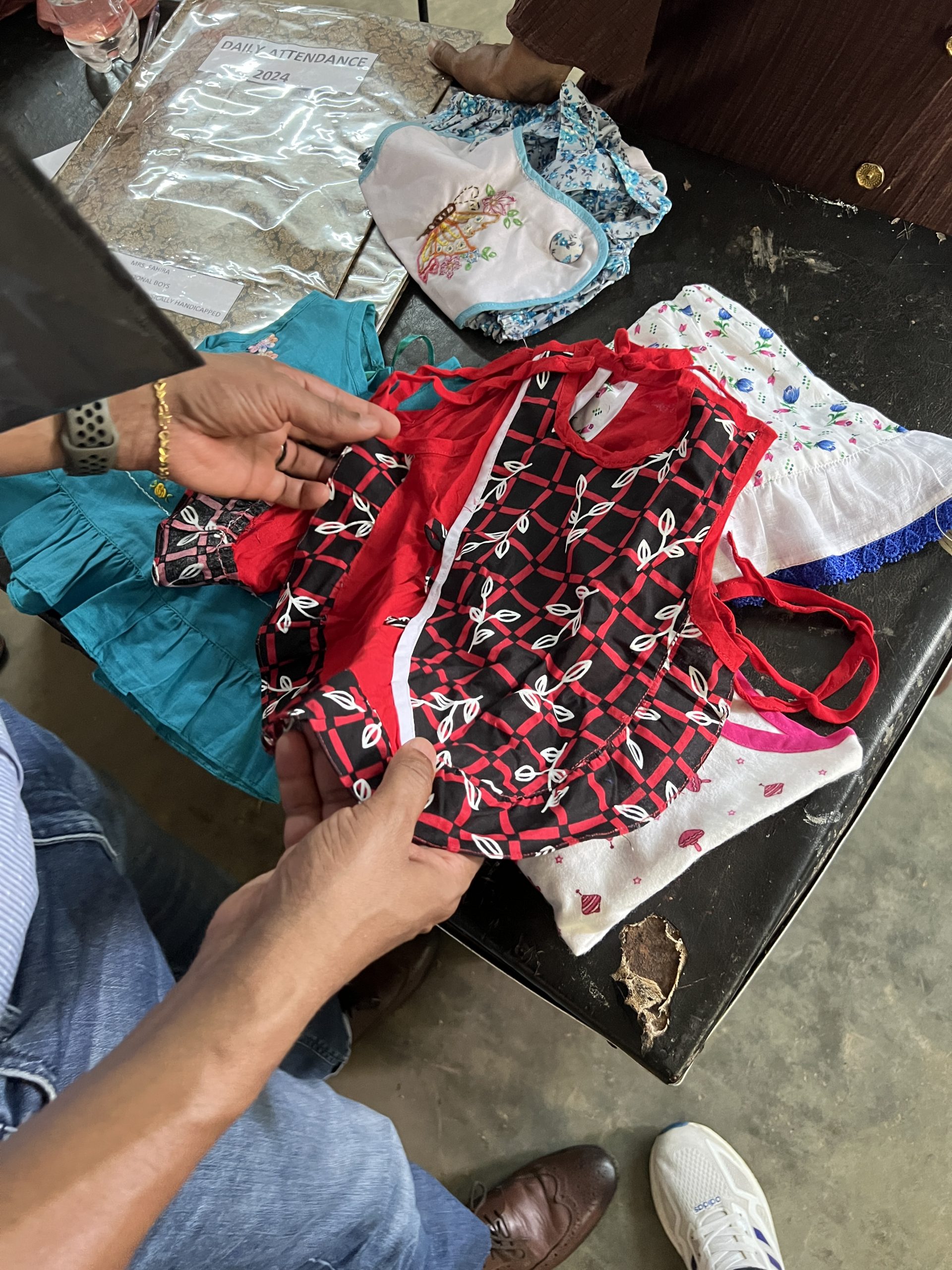
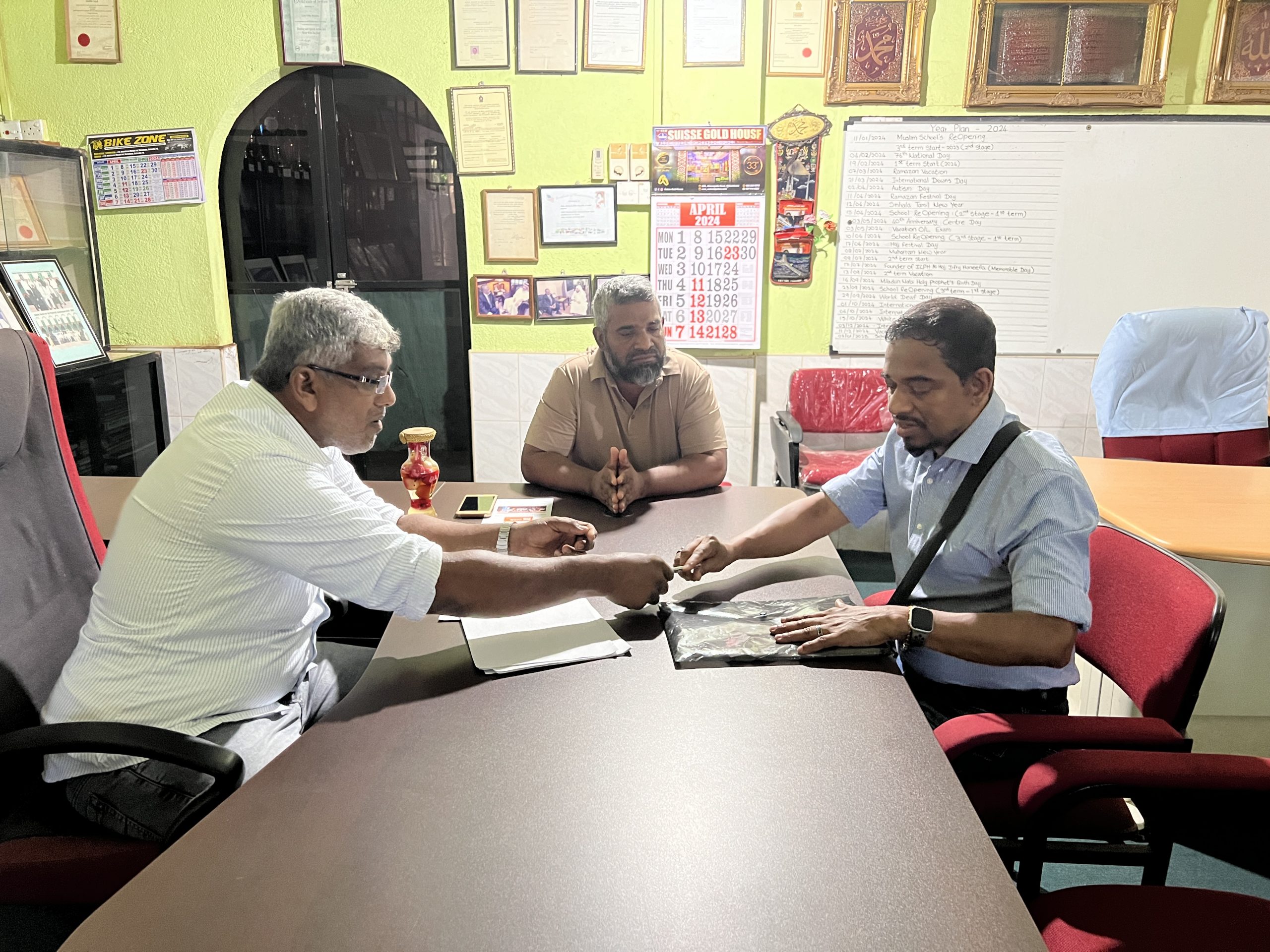
Warm Welcome and School Tour

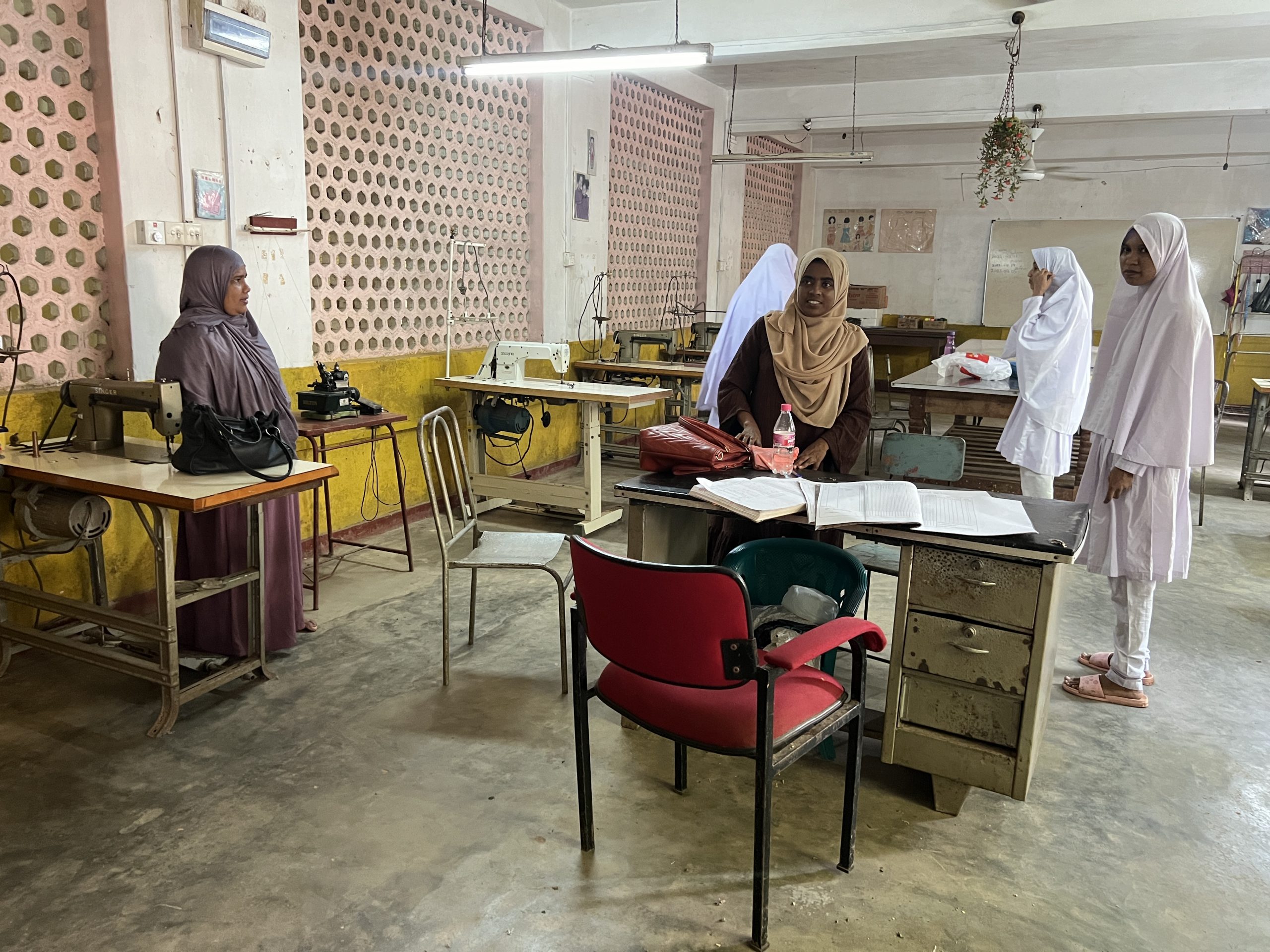
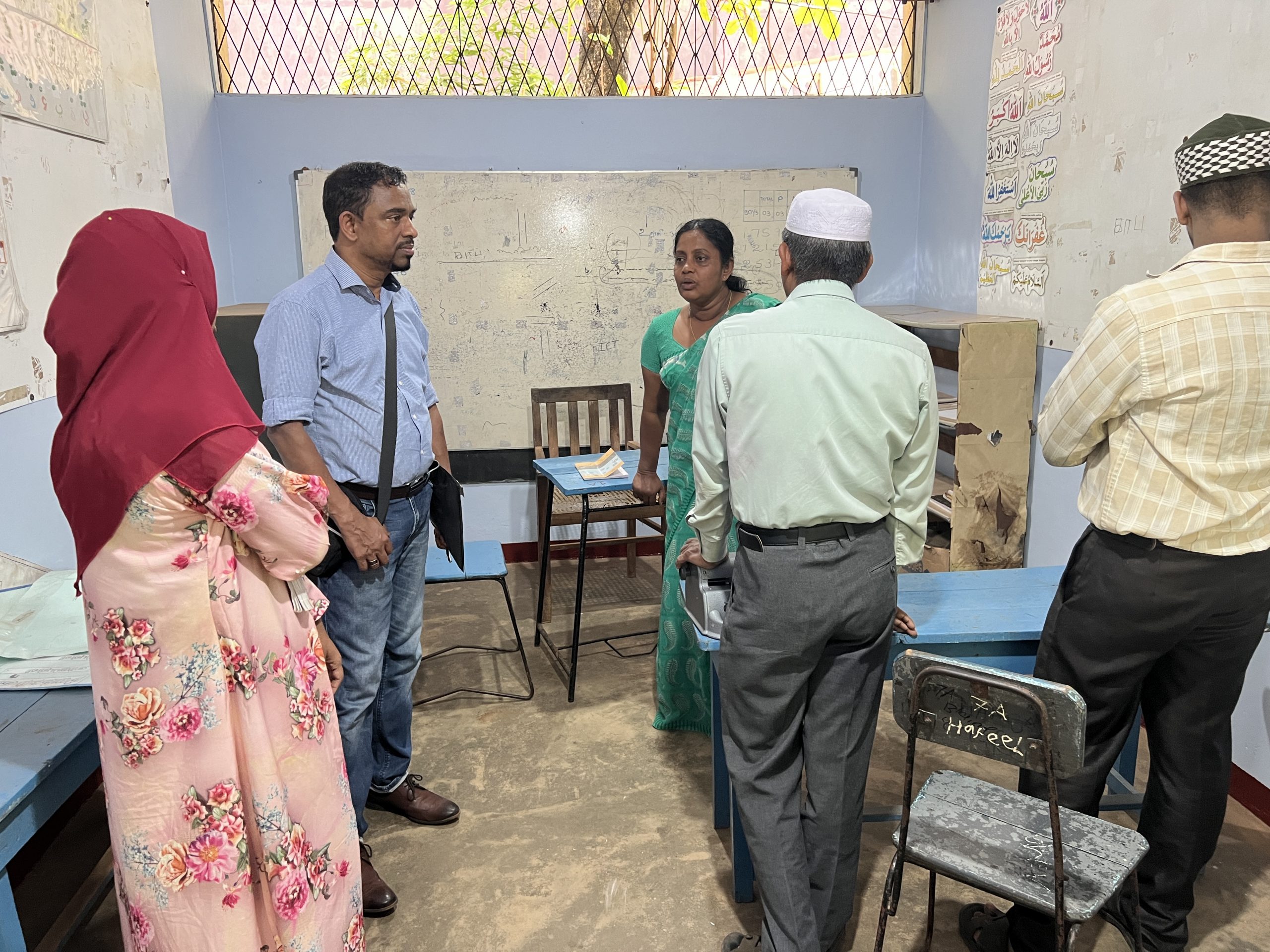
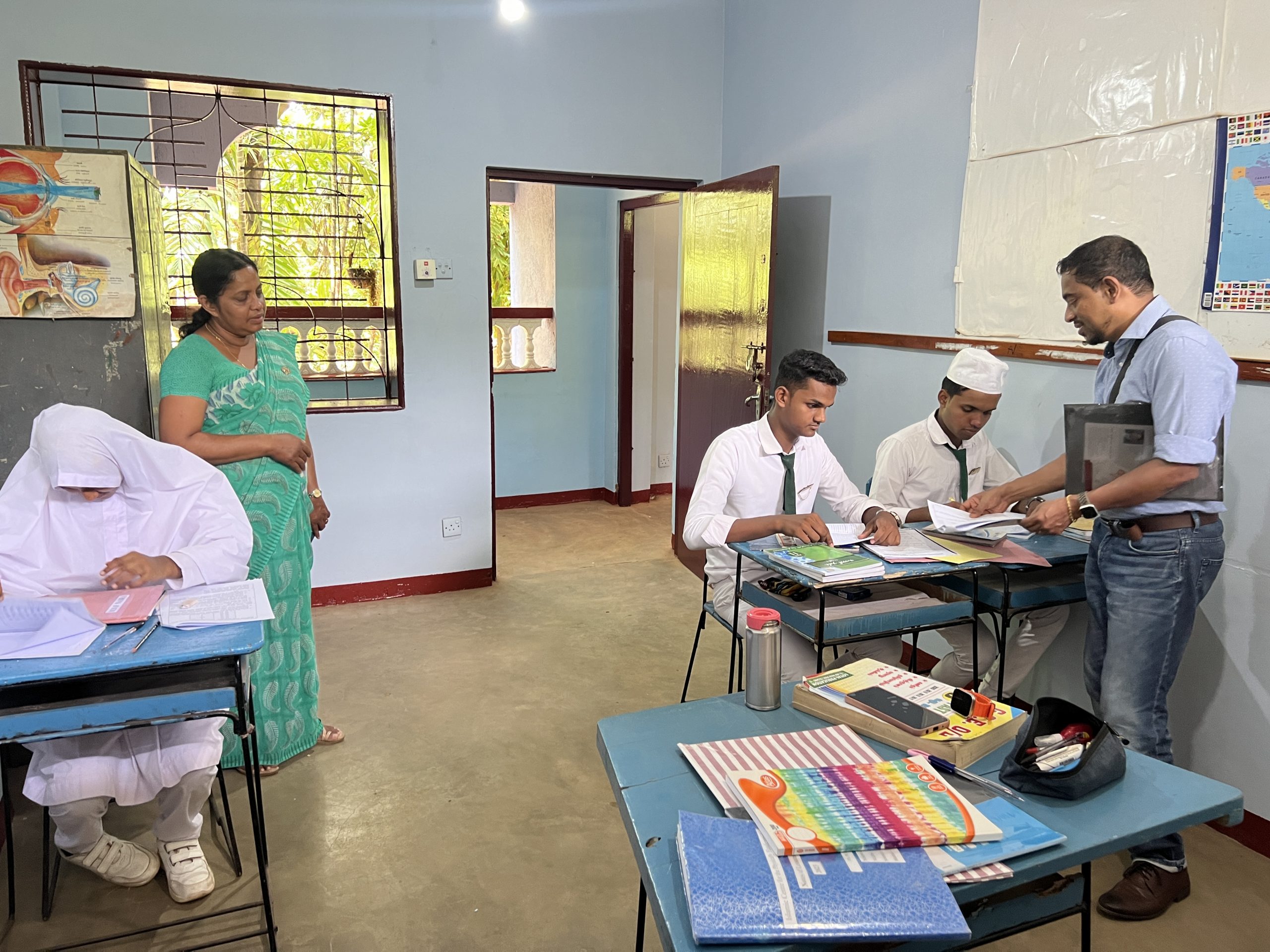
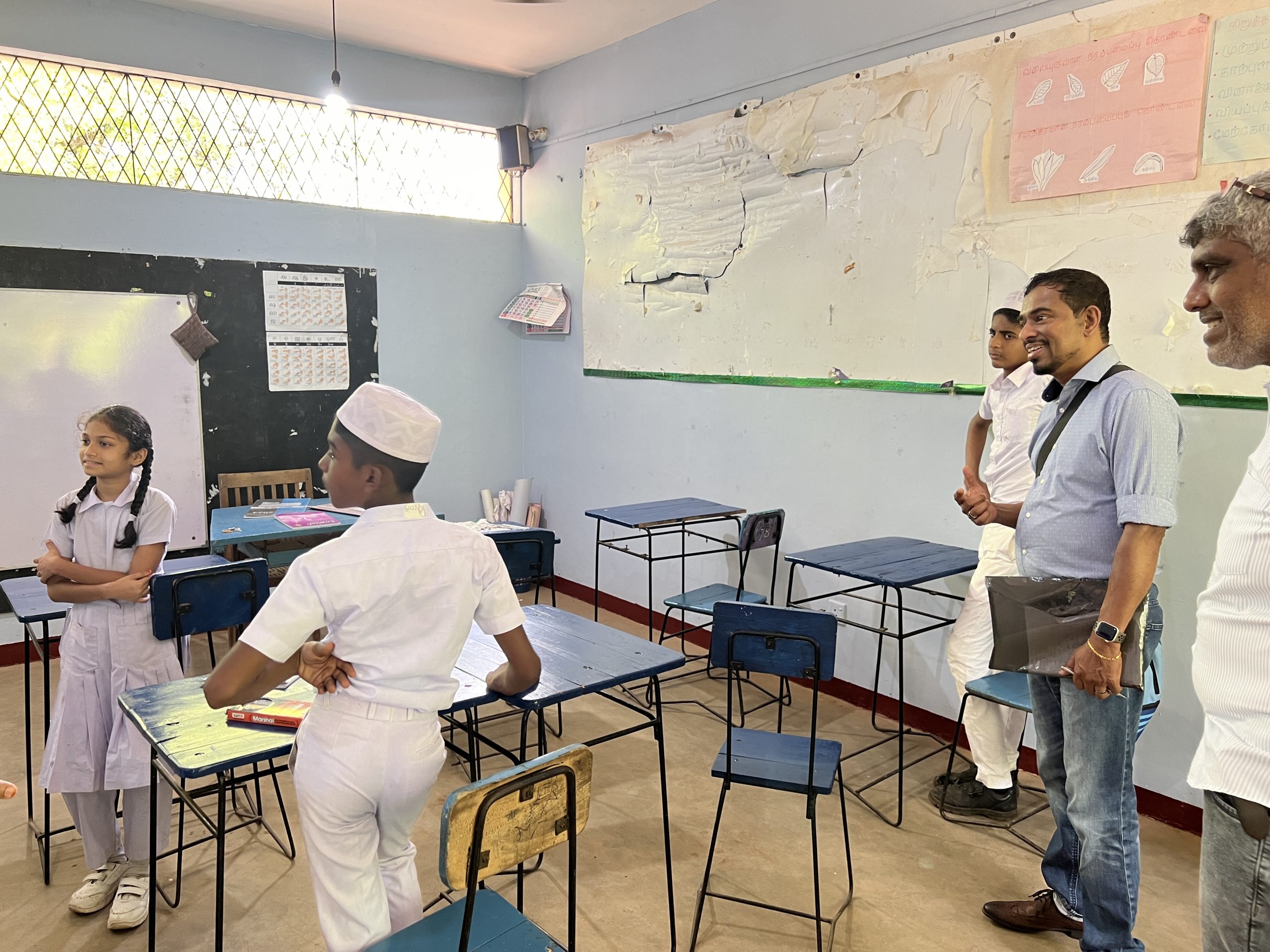
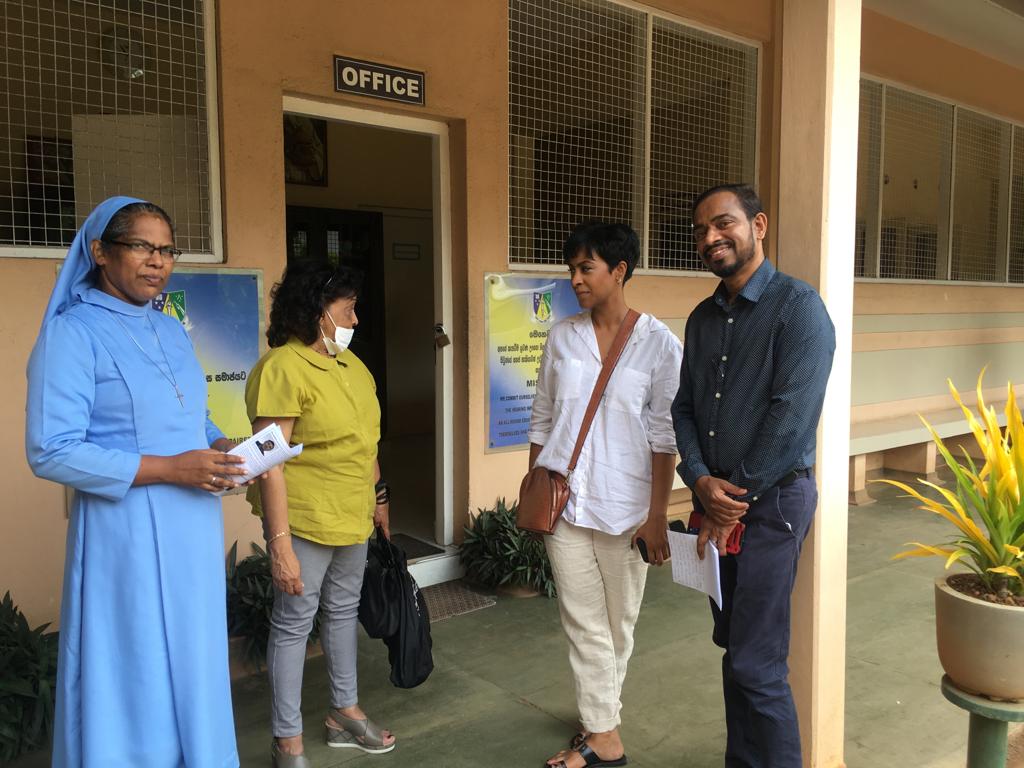
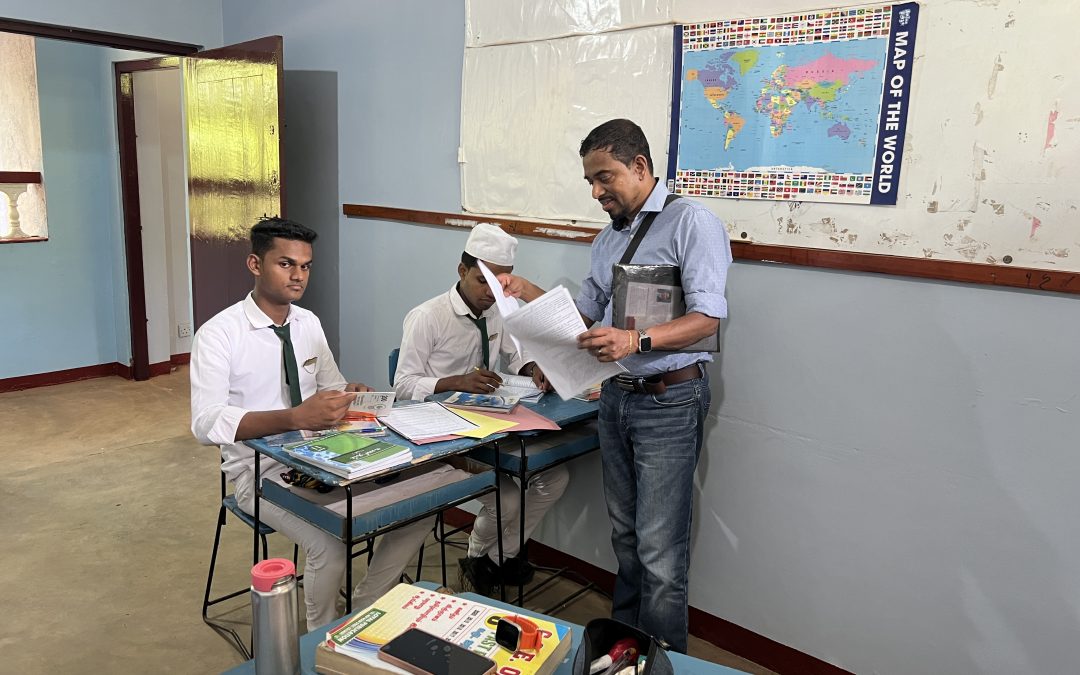
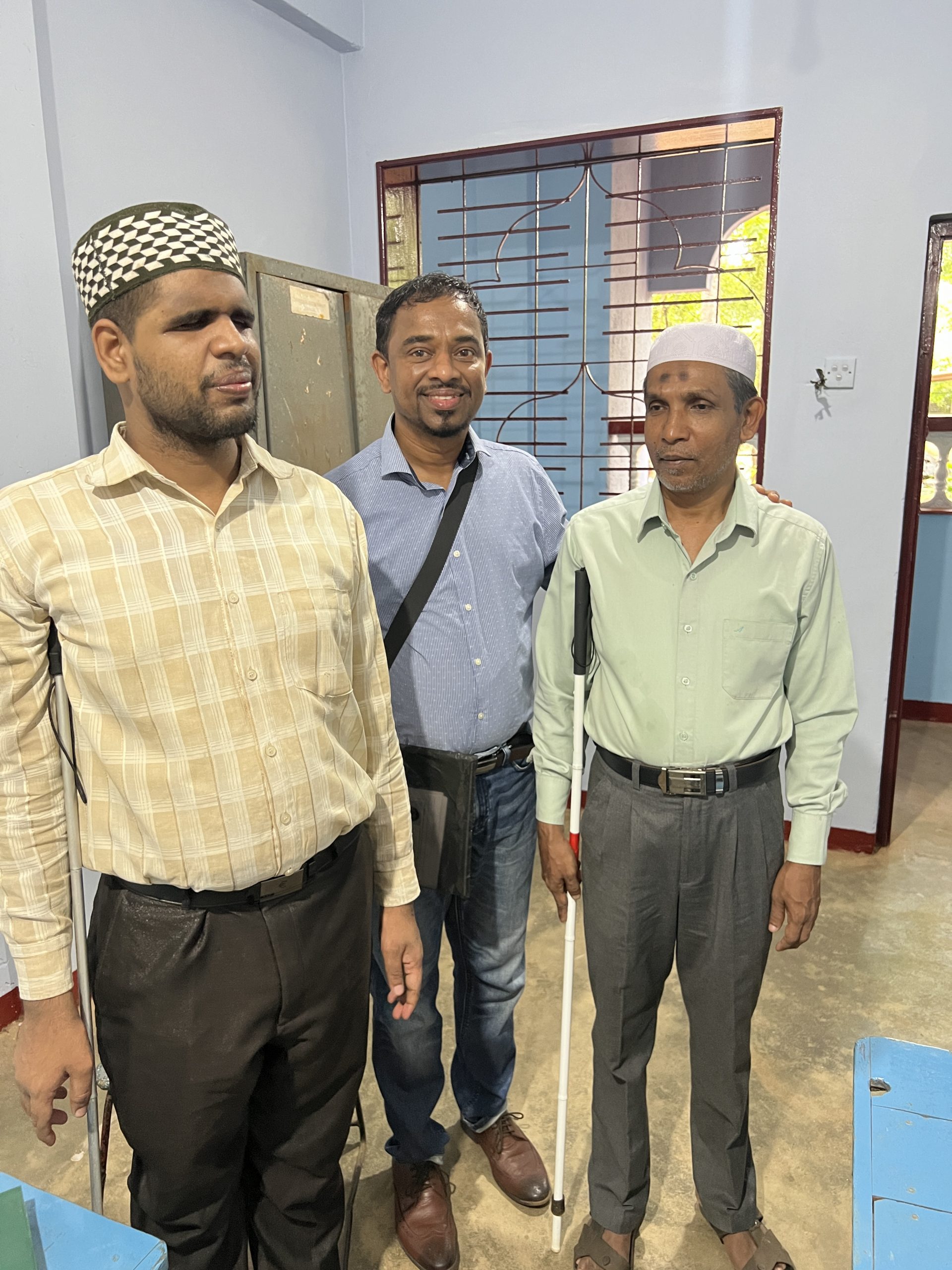
Upon arrival, the principal, teachers, and students greeted us with open arms, setting a welcoming tone for our visit. We were taken on a detailed tour of the school’s facilities, witnessing firsthand the dedication to creating an inclusive learning environment.

Exploring the School's Facilities

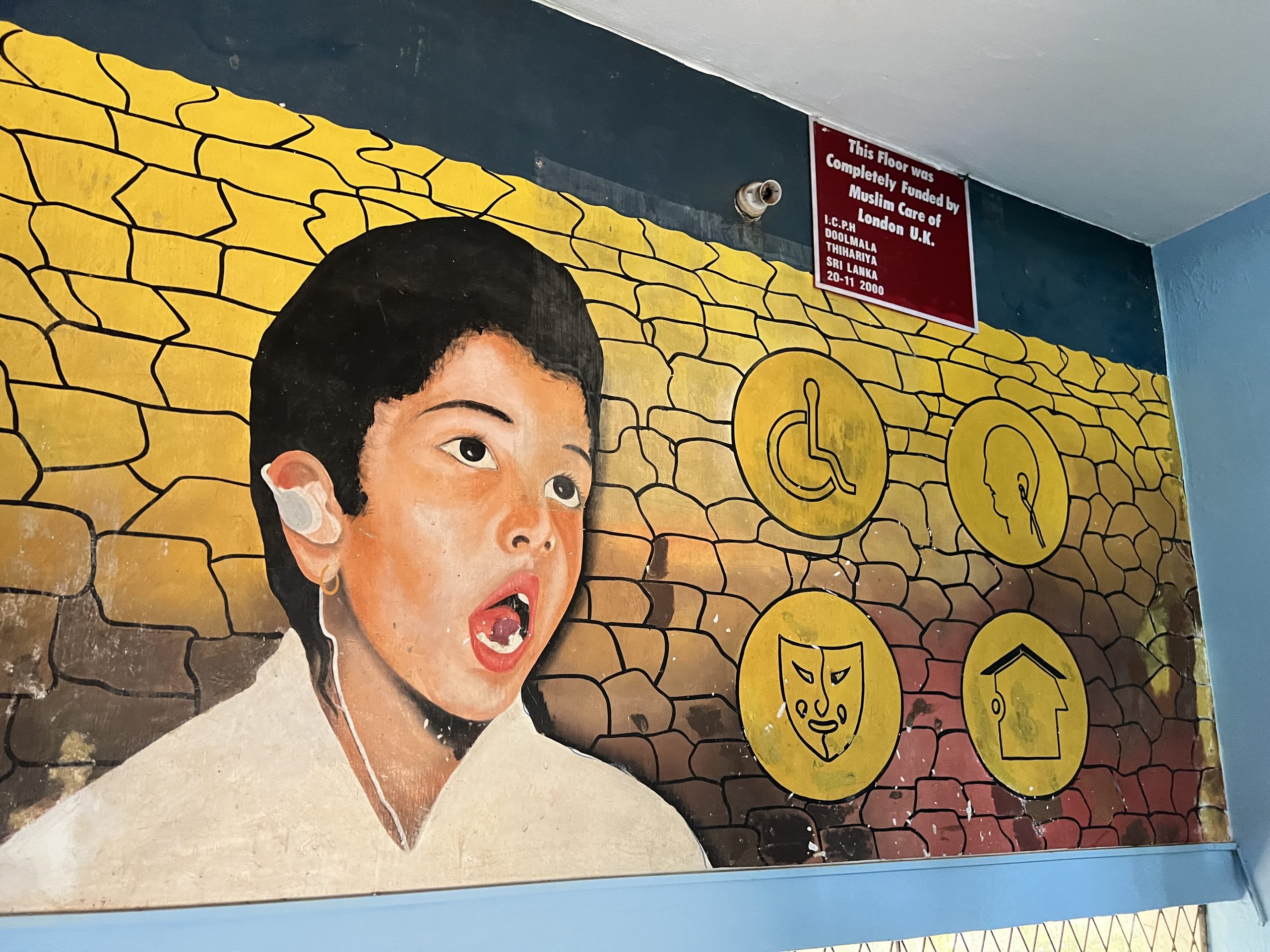
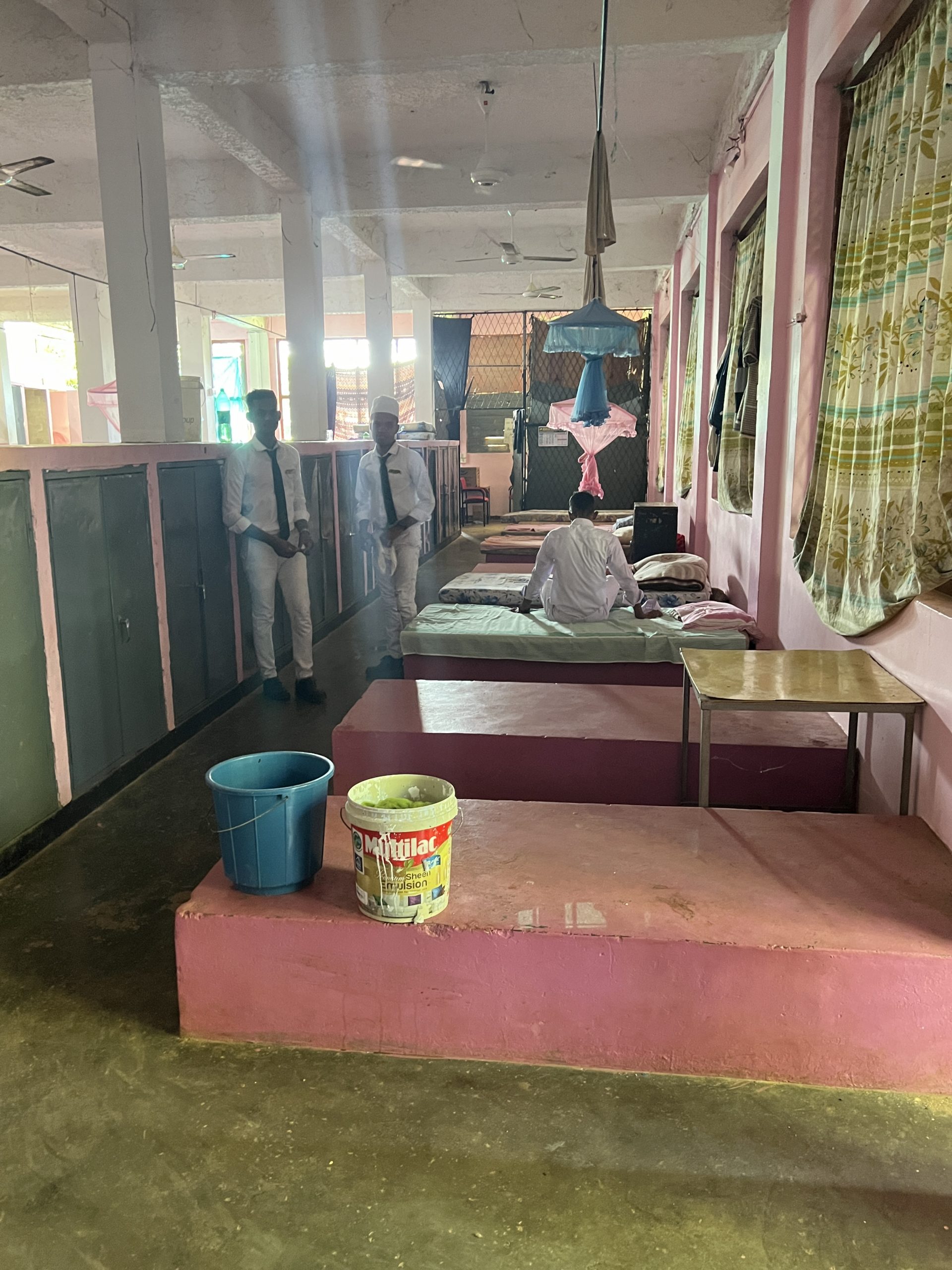
The tour highlighted the various classrooms and specialized areas designed to support the unique needs of the students. It was inspiring to see the commitment to providing quality education and resources for visually impaired children.
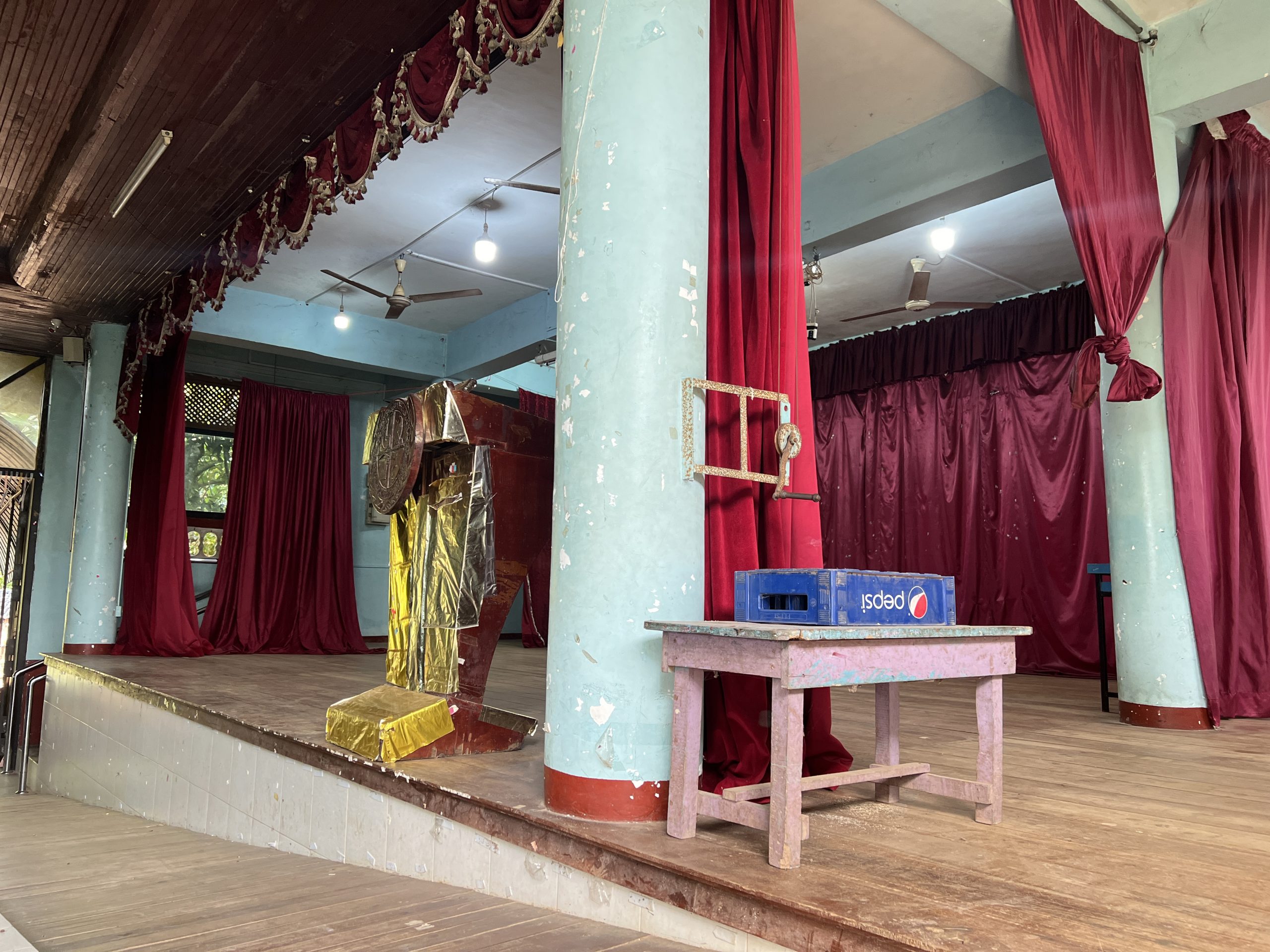
Manager said ‘Your generous donation will help us enhance the auditory experience for students at the Thihariya, Gampaha School for the Visually Handicapped. With your support, we aim to replace the outdated sound system in the auditorium, ensuring all students can fully participate in school events.’
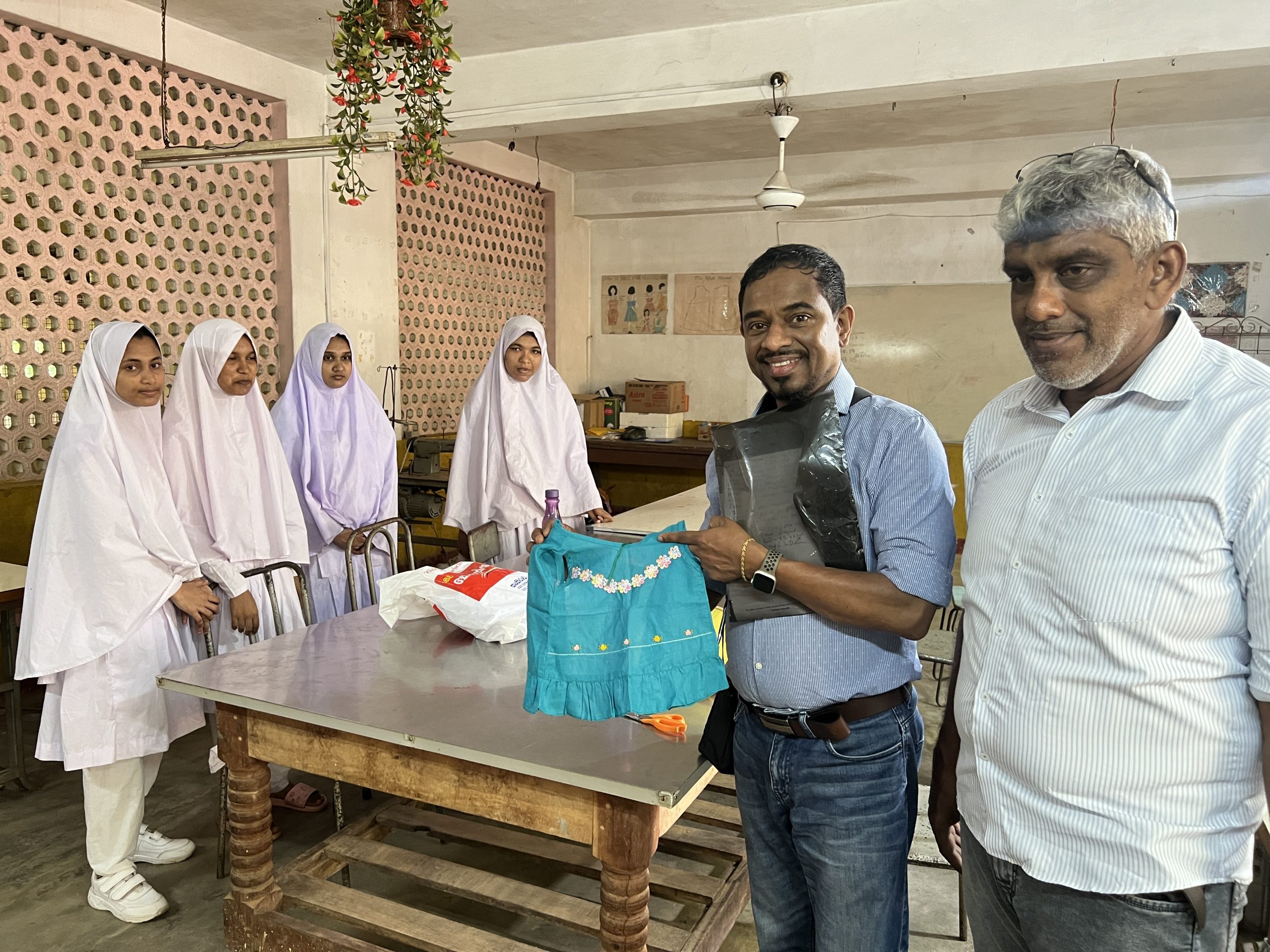
A Memorable Lunch Experience

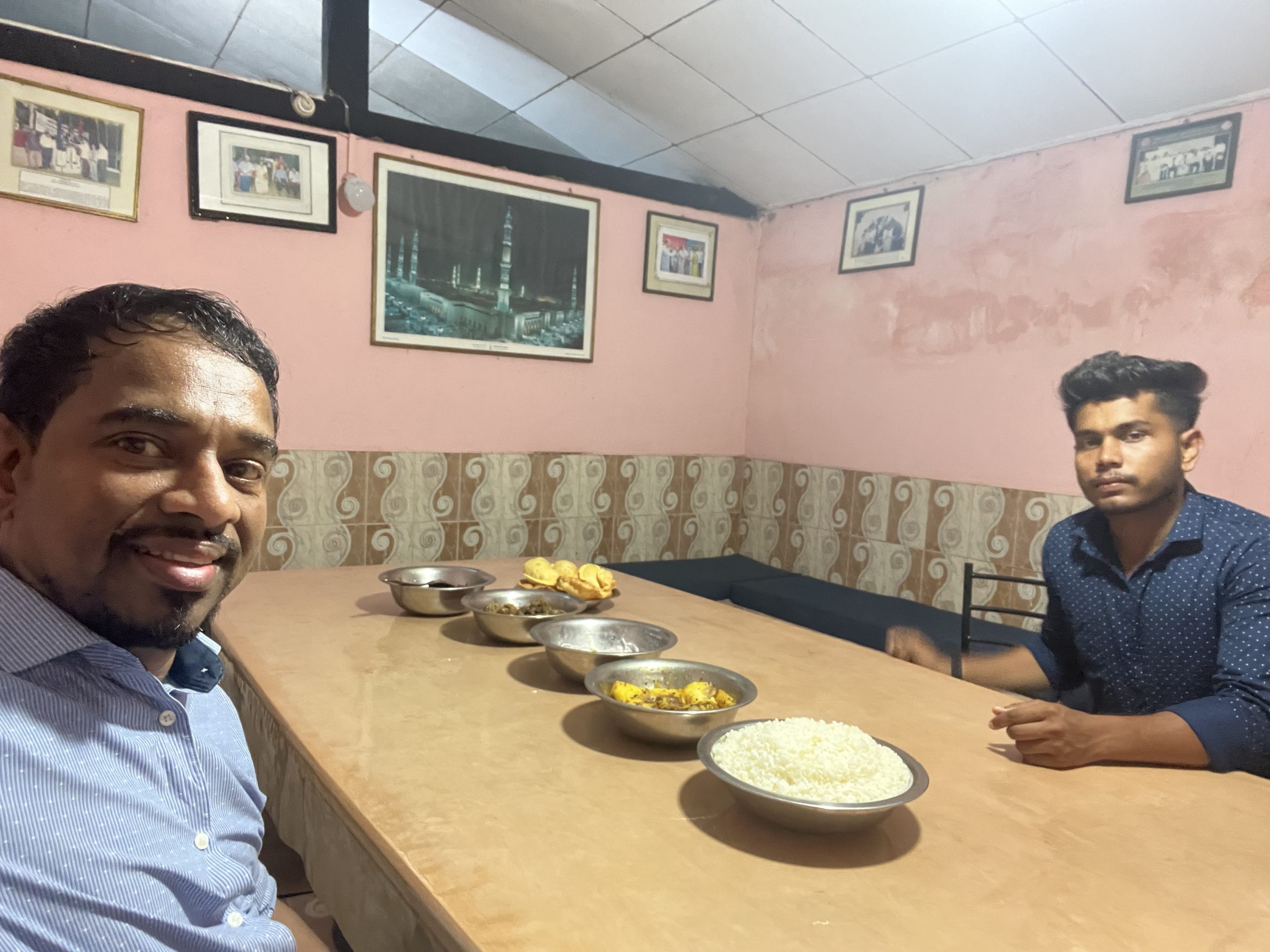
During our visit, we had the pleasure of sharing a meal with the students and staff. This gathering was more than just a lunch; it was a heartwarming opportunity to connect with the community. The students’ enthusiasm and the staff’s dedication were palpable, creating an atmosphere of unity and joy.

As we interacted with the children, their stories and aspirations inspired us deeply. The sense of camaraderie among them was infectious, and it was clear that the school is not just an educational institution but a nurturing home for these young minds. Our time there reinforced the importance of our mission and the impact of our support.

Addressing Critical Needs

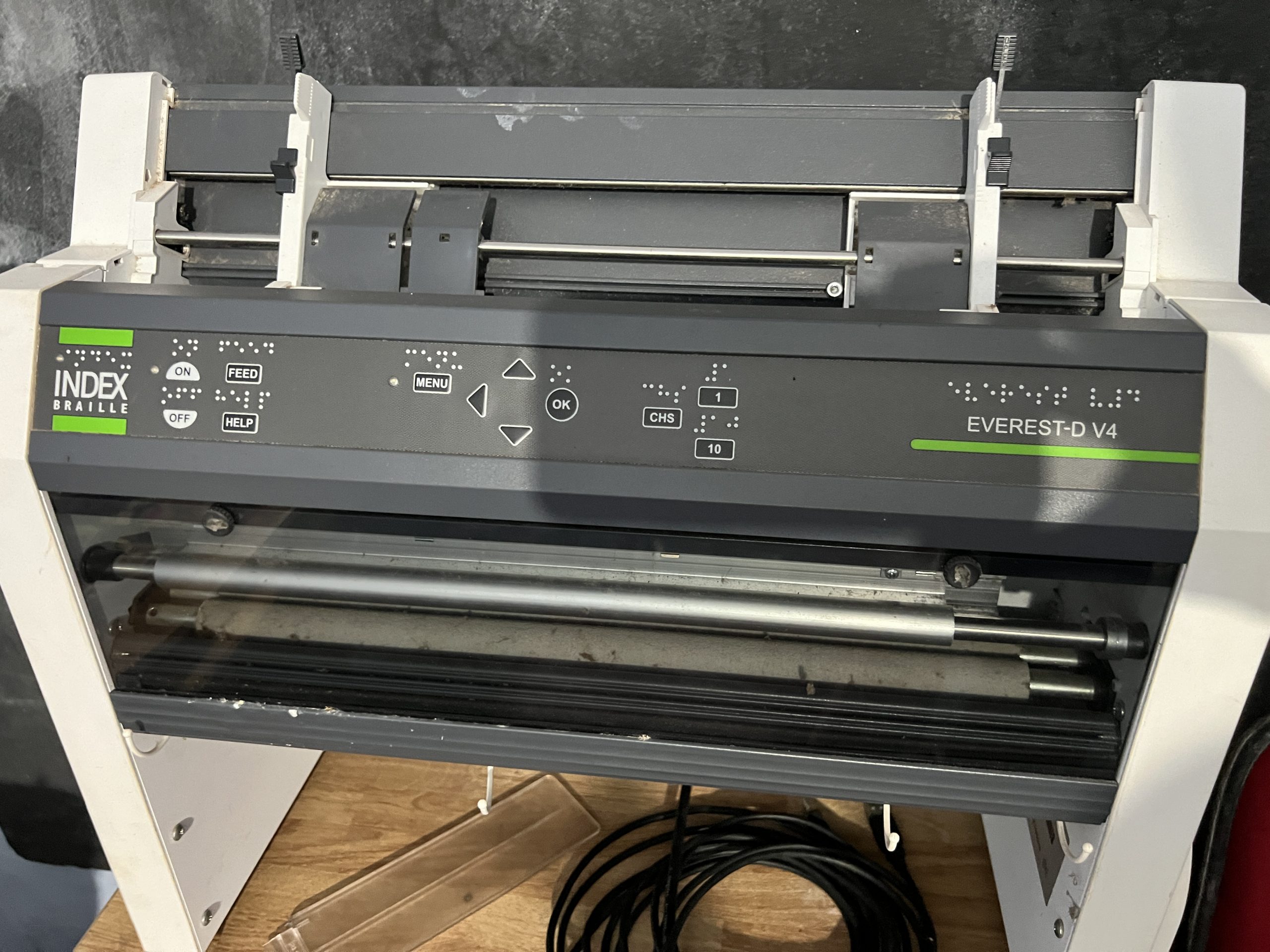
Urgent Call for a New Braille Printer

Reflecting on a Meaningful Visit

Our visit to the Thihariya, Gampaha School for the Visually Handicapped was a profoundly moving experience. Witnessing the dedication of the staff and the vibrant spirit of the students was truly inspiring. The school’s commitment to providing a nurturing and inclusive environment for children with visual and hearing impairments is commendable.

We are deeply grateful for the warm welcome and the opportunity to contribute to the school’s mission. The generosity and resilience of everyone involved left a lasting impression, reinforcing our commitment to supporting their invaluable work. We look forward to seeing the positive impact of our donation and continuing our partnership in the future.
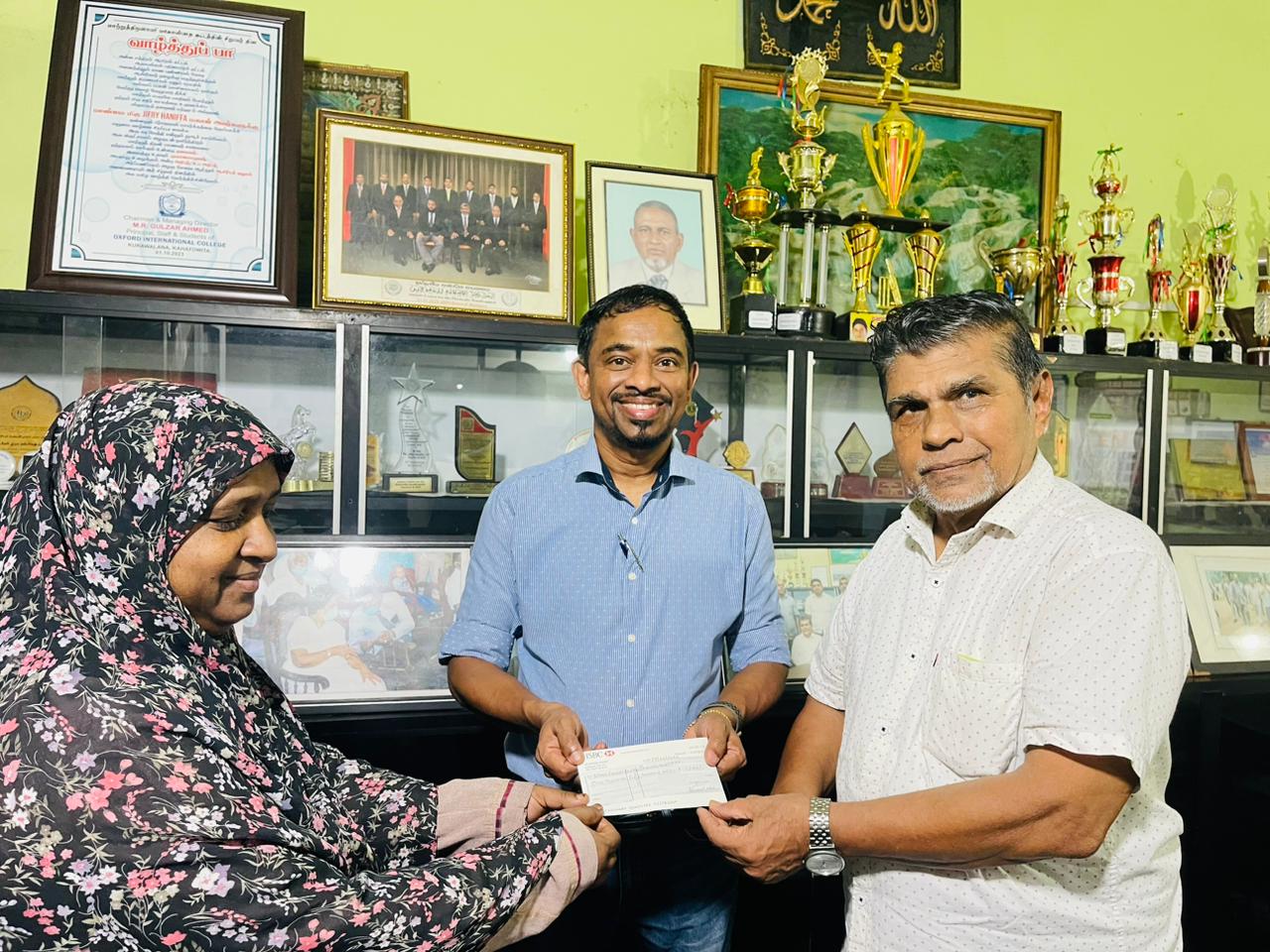
Our visit to the Thihariya, Gampaha School for the Visually Handicapped was a profoundly moving experience. Witnessing the dedication of the staff and the vibrant spirit of the students was truly inspiring. The school’s commitment to providing a nurturing and inclusive environment for children with visual and hearing impairments is commendable.

We are deeply grateful for the warm welcome and the opportunity to contribute to the school’s mission. The generosity and resilience of everyone involved left a lasting impression, reinforcing our commitment to supporting their invaluable work. We look forward to seeing the positive impact of our donation and continuing our partnership in the future.

Join Us in Making a Difference

Your support can transform lives at the Thihariya, Gampaha School for the Deaf and Blind. By contributing to our initiatives, you help provide essential resources and create a more inclusive learning environment for these remarkable students. Together, we can ensure that every child has access to the tools they need to succeed.

We invite you to join us in this meaningful journey. Whether through donations, volunteering, or spreading awareness, your involvement is invaluable. Let’s work together to empower these students and make a lasting impact on their education and future.
£1500 – 2022 – April – Gampaha Ragama St Joseph’s School for the Deaf School Visit

£1500 – 2022 – April – Gampaha Ragama St Joseph’s School for the Deaf School Visit

Our Markets

OFFICIAL REPORT – St. Joseph’s School for the Deaf Behind the St. Paul Church, Ragama, Gampaha School Visit April 2022
Principal: Rev. Sister.B. L. Ann Nirmalee
Contact : +094 112 958 330, +94 114 816 265, +94 76 165 3121; stjosephs.sfd@gmail.com.
Vice Principal: Sister Christie Fernando
DABAL represented by: Lionel Bandara (Chairman), Teri Welikala (Treasurer) , Nadani Welikala (Event Secretary & Founder Member) , Christina Crossette-Thambiah (Committee Member), Dilsiri Welikala (Local Rep.)

Reason for visit:
• Check how money was spent from last grant given fromorm AGM 2015 funds.
• To give grant of £1,500 from DABAL from 2021 AGM Award.
• To give cheque from Professor Shervanthi Homer-Vanniasinkam for £100.
• In January we sent a letter and criteria showing that we wanted to give them a grant of £1,500

The funds from the previous donations of £1,500 were awarded at the 2014 & 2015 AGMs and were used for:
• In 2015 – money utilised to celebrate their 80th Anniversary. They repaired the stage, bough bulbs, flash lights, costumes for students( cost Rs 7500 per students, of which half came from students and half of it from our money) and spent funded for concert.
• 2016 – The long jump pit was repaired in the main playground.

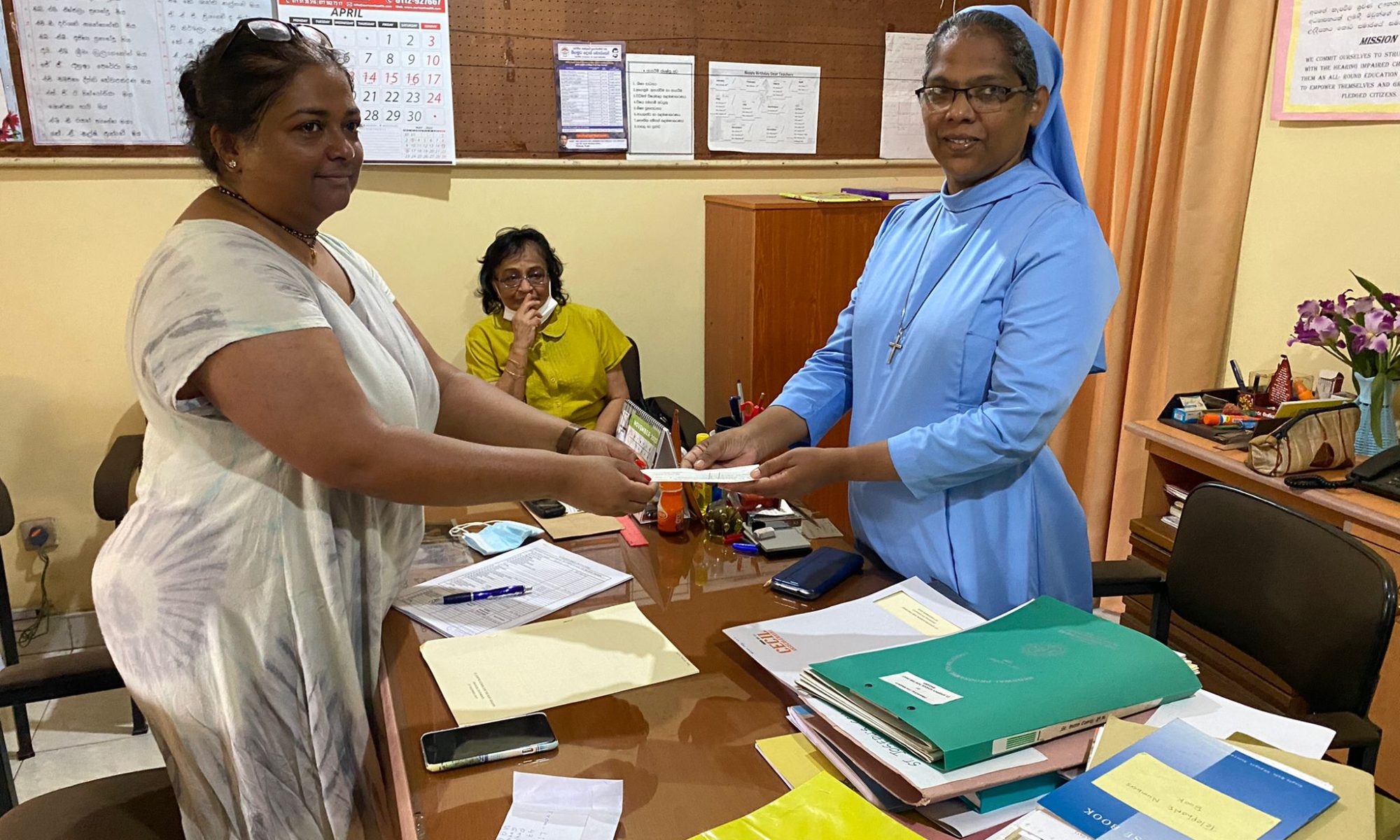
2022 – Funds will be used to purchase desks and chairs as they are very old (we saw evidence of this especially in the secondary school classes) and needing replacing, also to repair the primary school playground. With any remainder money they hope to purchase a photocopy machine as two are broken. Cheque no.100471 for £1,600 was written to “St. Joseph’s School for the Deaf”.

We asked that they send a receipt to us and a thank you letter to Professor Homer-Vanniasinkam. The school is managed by the Special General School Council board. It consists of leader of the council (nikaaya in Sinhala) plus another 5, Sisters + the school supervisor.
These are Principal, and Vice-Principal and General Manager of the Catholic Private School.

The treasurer is one of the Sisters and another Sister from part of the board. In addition, senior teachers are consulted on some decisions. We checked the criteria for giving our grant of £1,500, for this year.

1. An audited set of financial statements are presented – YES
2. that the Trustees meet at least once a quarter where Management accounts are presented. – YES
3. that cheques in excess of R25,000 are signed by two or more trustees. – YES
4. that a budget for the ensuing year is presented. – YES
5. that the Board acknowledges the receipt of the funds and makes an undertaking to provide the information and implement the procedures required.
– see above Report
Nadani, Christina and I left for Ragama early morning from Colombo to arrive at the school for about 10am.
Lionel Bandara came by train, and Dilsiri Welikala, made his own way to the school. As our newly appointed rep. he was officially introduced to the sisters in charge. We found the site, as described next to the St. Peter and Paul’s Catholic Church, Ragama.
The school grounds consist of several school teaching buildings, the hostel, a well-kept front garden and small children’s play area. There is a very large sports field at the back of the buildings. The school is run by Catholic nuns who manage the foundation which owns the school, land and buildings. Although they use the church next door there is no management or ownership overlap between the church and the school. They specialise in teaching deaf children only.
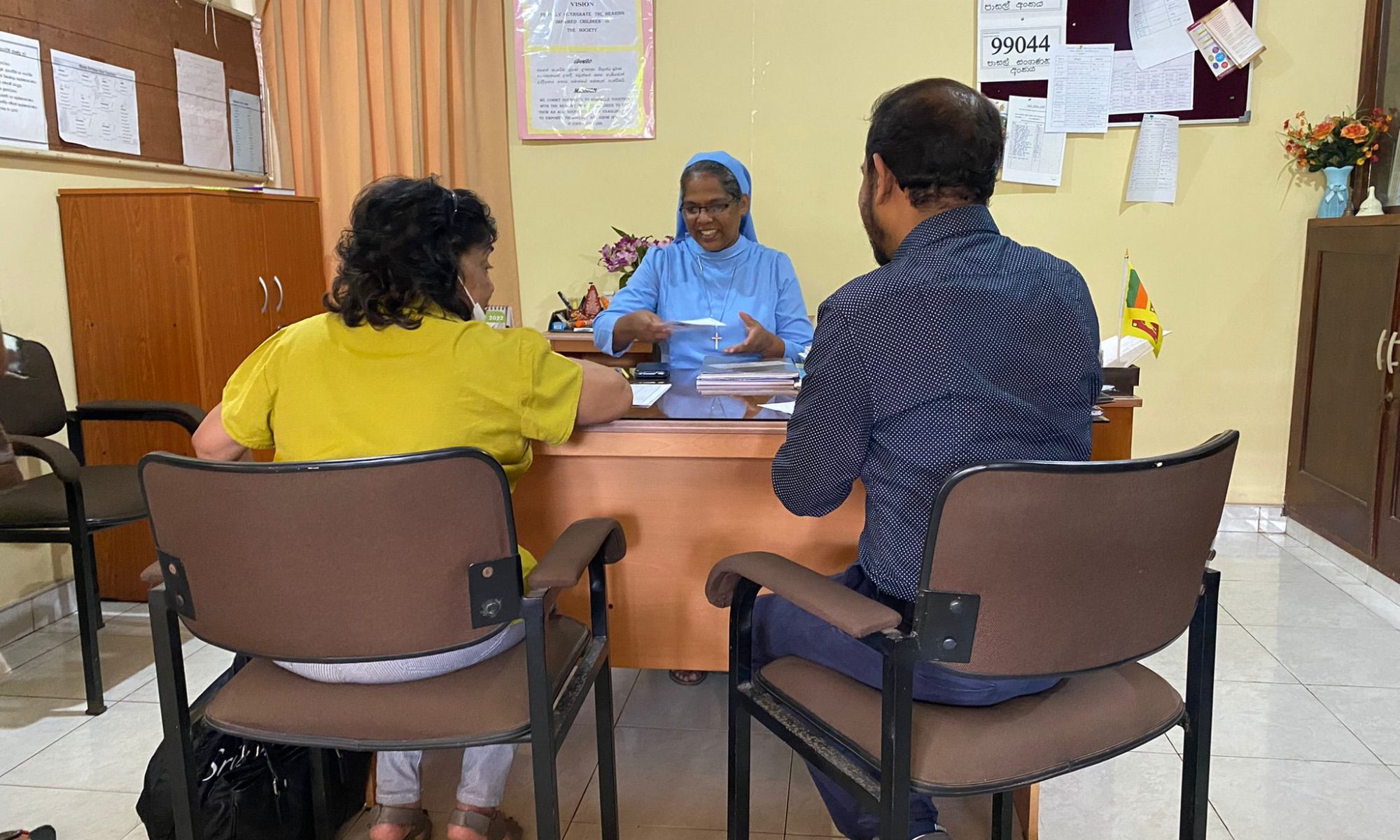
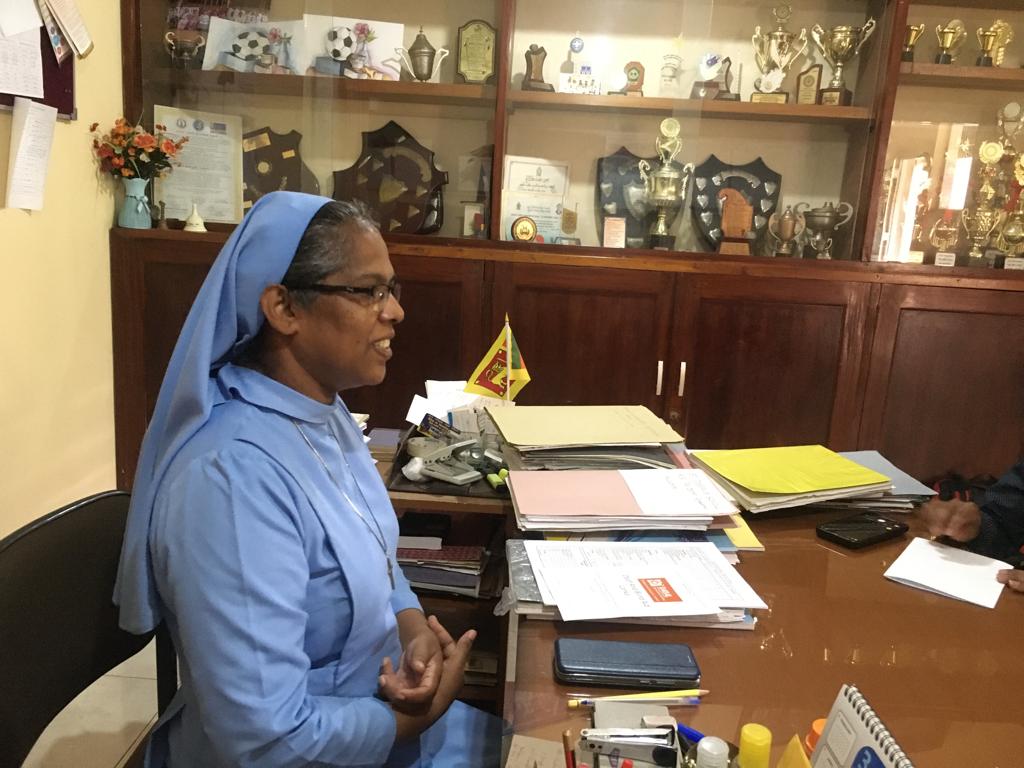
We were warmly welcomed by Sister Nirmalee, the Principal and Sister Christie, the Vice-Principal, who form part of the school management. Nadani and Sister Nirmalee reminisced on previous visits, especially with Priya, the former treasurer. They fondly remembered our generous donations which they greatly appreciated, in particular that we made the effort to visit Sri Lanka during difficult times post Covid restrictions and financial difficulties in the country.
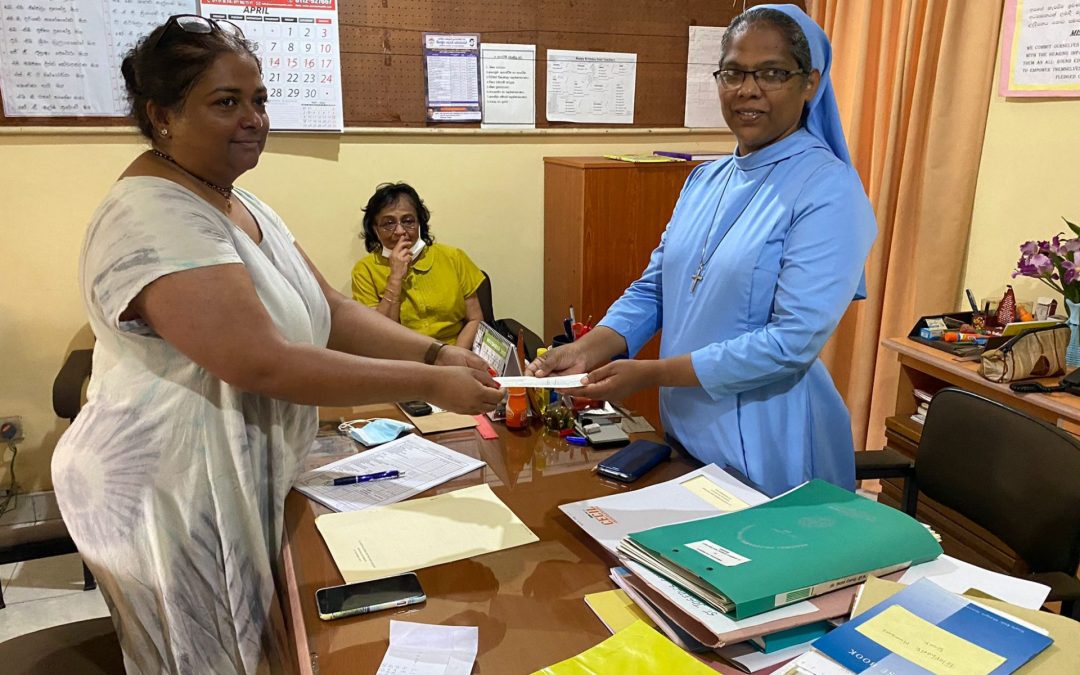
They offered their condolences on Priya’s passing away and offered prayers in his memory. In addition, finding that Lionel has recently lost his brother they offered their sympathies and offered prayers for him and his family. We attended to our due diligence matters first at the principal’s office and handed over the grant cheques, the school having presented to us the required formalities. We were then shown around the school. Starting with the primary school classes we visited a few. They are well kept and painted in bright colours to make classes vibrant and exciting for the children. Unfortunately, attendance was low due the high cost of travel and fuel shortages affecting the country. The students from the hostel were present. We then visited the secondary school classes in the next building near the administrative offices. The students were smartly dressed in their white uniforms and ties. There were more students and some were taking exams. There were specialised classes for science and some computers at the school. Finally we went round the front area of the school grounds and inspected the children’s playground which will be repaired with our current grant. We say the play equipment was old and rusty and no longer safe for the children. We left the school with a lovely present – a thank you note framed and made with dried flowers and leaves by the children. We left the school with a lovely present – a thank you note framed and made with dried flowers and leaves by the children.
A voluntary 250 rupees is changed monthly from students, there are currently more students present after the pandemic restrictions have been lifted.
Students – 130 students, of which 15 girls and 21 boys in the hostel.
All others are brought by parents, no blind children’s, only deaf students.
There are classes from grades one to grade thirteen, also early intervention classes.
7 students have already graduated from Keleniya university, some are now doing private jobs and some are unemployed. For example: – One student is a professional artist and given an awarded by the government.
He designed a stamp during the Christmas period, his name is Ravindu Darshna Vithana
We were also informed that there are 21 teachers.
2 male and 2 female all get salaries from government
Volunteer Teachers – Currently there is 1 sister and 2 teachers on the scheme.
They are taken on a one year probation period after which they get Rs. 12000/- as their salary.
For the permanent teachers’ salary varies, according to their experience and their service.
Approximately 35000 Rupees is the salary per month of a teacher. Accommodation: Only hostel children get fed during the day, not day children. One of the sisters is looking after the food and cooking in the hostel

By: Teri Welikala 6th June 2022

£1500 – 2012 – Saubagya Vidyalaya, Kumbukkana Monaragala school visit

£1500 – 2012 – Saubagya Vidyalaya, Kumbukkana Monaragala school visit

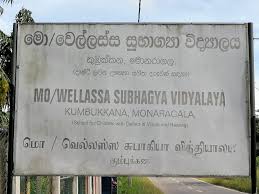
Visit to Wellassa Saubagya Vidyalaya, Kumbukkana Monaragala - 2012

Deaf and Blind school – Monaragala
Nadani and I set off from Colombo at around 5.30 am on 5th June to Monaragala – a distance of approximately 283 kilometres, on newly paved roads which are of International standard. We went pass the lush evergreen Sri Lankan countryside passing Ratnapura,Embilipitiya,Uda Walawe,Wellawaya and coming close to Hambantotas the new Cricket ground and Airport, and reached the school for a late lunch at the residence of the Principal Mr Sarath kaluarachchi. Anticipating our visit the local community too had made their contribution to the lunch. Moneragala is in the deep South-East of Sri Lanka, close to Hambantota, Kataragama, Yala National Park and Arugam Bay the world class surfing location on the East coast .Dripping with green foliage the centre of Moneragala nestles beneath Peacock Rock, a round topped hunk of forest covered mountain

The school was started in 1997, with two blind children. Today it has 35 Blind pupils and 70 Deaf and Dumb pupils. The boys number 49 and the girls 56.The children are from poor and troubled families and come from different areas like Amparai, Moneragala, Badulla, Hambantota etc. There are 16 permanent teachers who are paid by the Education Dept and 4 temporary who have to be paid from the school funds. The students study up to O/L classes. For A/L they go to mainstream schools. They have three University students at present.

The Board of Management consist of 31 members. The school is accountable to the Dept of Social Services and Education Dept. The accounts are audited annually. The current Account is maintained with Bank of Ceylon with two signatories from Principal/Treasurer/Secretary to sign cheques.

Social Services give a grant of Rs 50 per child per day. Like other Rural Deaf and Blind schools, Moneragala school depends on donations from local well wishers and sometimes outsiders for their survival. Food is a big item of expenditure. They grow their own vegetables, coconuts and fruits.

They have five computers, but only one Braille computer
Apart from the usual school subjects, vocational training is done in a very systematic way. We saw additional building work on a new section which is being built by the students. Masonary, Carpentry is all in house and we saw a strong community spirit and work ethic. The school has an outlet to sell the products of household items such as handbags, shopping bags, computer bags targeting the Colombo market. Products are made by students and sponsored by Dilmah Tea Company.

The children are in residential care and have separate boys and girls dorms with matrons in charge

They are very proud of their sporting achievements with their star head boy, Chandana Deshapriya playing for the Sri Lanka Blind World Cup Cricket team who entered the semi-final. Chandana Deshapriya, won the Man of the Match award more than once.

The Principal indicated that when they come to know of any Blind or Deaf child living with parents and not attending the school they visit the home and try to persuade them to send the child to school. In his estimate around 30percent of Deaf and Blind children are kept at home without any schooling.The vitality and enthusiasm of the Principal Mr kaluarachchi is the key component of the successful running and management of the school. His skill in networking has greatly rewarded the school in receiving generous donations for various projects run by the school
At the conclusion of the visit we gave tea and cakes to the students on behalf of DABAL. They on round us with a moving concert. At the concert the Principal acknowledged our donation indicating in detail how the money was going to be utilised. The head boy gave a vote of thanks indicating the student appreciation for the care shown by Dabal for the poor rural students. It was an emotionally draining experience to both of us.

We left Moneragala feeling that what Dabal is doing in penetrating remote Sri Lanka is a step in the correct direction which will perhaps awaken the authorities in the country to do more for the disabled children. Priya Welikala

£1500 – 2009 – Kurunegala Sandagala Special School visit

£1500 – 2009 – Kurunegala Sandagala Special School visit

School visit to Sandagala Uhumeeya Deaf And Blind School, Kurunegala – 2009

Priya and Nadani Welikala

A DAY OF DISCOVERY

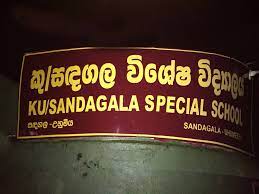
Once again it was my privilege to visit KU/Sandagala special school, Uhumiya to handover personally the donation of the cheque of £1,500 – last year’s beneficiary of Dabal.

Unfortunately I did not have the pleasure of Feisal’s and Ameera’s company to visit the school, as I had planned prior to my departure from London. Unlike the earlier visits to schools who were beneficiaries of our charity – this was a very daunting experience, since we had no contact at all with the school or knowledge of its existence. I was on my own to research the identity of the school and to access the remote village of Uhumiya in the North West region of Kurunegala and, may I gently point out, to find time, travel costs and the energy, in my otherwise private busy and short visit to Sri Lanka.

I set off on Monday the 1st February in the company of our son Ossie and cousin Roshan leaving Colombo at 5:00 a.m. to avoid the heavy morning traffic on a busy week day, with a short stopover on the way for breakfast, at a wayside café. We reached the school at 11:00 a.m. To my surprise we drove into a large well established school compound where some students, turned out in immaculate white uniforms, were occupied with sports activities under the supervision of some staff members.

It was more an adventure trail finding the school in a rural environment with its scenic beauty and we to introduce ourselves as strange invaders of their privacy and insist for “On the spot inspection” of the school and their official records to satisfy DABAL’s required criteria before handing over the cheque.

As always in Sri Lanka we were welcomed by the principal, Mr K.A Sumithkumara and the administrator of the school Mr H.M K.S Illangakoon, with broad smiles and deliciously prepared tea which helped us to relax and enjoy the day’s experience.

The school was founded on 6th March 1968, with financial help of Mr S.H Benjamin and Mr W.R Perera, with four deaf and two blind children. The land was donated, with the original building, which is 150 years old, by Mr Narayana Mudiyandelage Appuhamy (1916-1974), the proprietor of Sathiyawadi Motors and Transport of Kurunegala – a successful businessman and philanthropist. He was appointed to the Senate (October 1965 – November 1971).

At present the school consists of 135 students and 26 staff members. The staff salaries are paid by the Government and they provide the textbooks and school uniforms for each child for the year. Most students are mainly from the impoverished North Central Province of Sri Lanka. They are provided with board and lodging in the school. The school is well established and very well run by the School Hostel Welfare Society, which consists of the local government officials and members of the public. The school is in desperate need of additional toilet facilities and fans, at present.

The school provides educational facilities up to GCE O.L classes and vocational training in painting, carpentry, manufacturing of coconut palm product, agriculture and computer skills. Seventeen students from the school have gone on to qualify as graduates and are employed in varied fields – which is a heart warming success story.

I was taken around the whole school and hostel premises for inspection. The kitchen was busy preparing the day’s main meal, with a large number of people cooking meals which brought the waft of spices and hunger in me! I was told that it was the local community who were preparing the food as Dhana to feed the students in memory of the Gramasevaka’s mother. They depend on the generosity of the villagers to feed the students who are unable to pay fees.


About The Owners

The school maintains a Bank account with Pradeshiya Co-operative Grameeya Bank and the Accounts are audited by the Kurunegala Division Education Secretariat. When the Principal received the cheque from me, in the presence of the Senior staff members, he expressed that the school had never received donations in cash – always only in kind and it was like winning the lottery. He thanked DABAL for its good work and kindness of thought and deed.

What touched me most was the kindness and generosity of the local people, who kept the school running, maintaining a good standard of education – providing good quality of life for these children in need, whose self confidence was amazingly striking.

The school is well worth a visit by all members of DABAL. Nadani Welikala

£1500 – 2009 – Batticaloa Dharisanam School for the Visually Handicapped

£1500 – 2009 – Batticaloa Dharisanam School for the Visually Handicapped

Batticaloa

Dharisanam School for the Visually Handicapped 

A trip to Batticaloa

I had to cover 350 kilometres by road to get to Dharisanam School for the Visually Handicapped, the beneficiary chosen at our last AGM, in order to personally hand over a cheque for £1,500 and meet the 28 resident students.

As Priya was unable to accompany me, our son Ossie and cousin Roshan joined me in this adventurous journey to the eastern coast of Sri Lanka. We set off at 5a.m. on the 12th of October 2009, making our first stop at Kurunegala to refresh ourselves with breakfast. I enjoyed the drive through Habarana and Polonnaruwa, the dry zone of Sri Lanka which had held a great fascination for me since my early schooldays. We reached Batticaloa, tired and famished by 1:30p.m. for a fabulous seafood spread of fish, crab and prawn lunch laid on by the school officials. We were very warmly welcomed by the Executive Committee members – the President – Mr. Dayanandan, the Secretary – Mr. Kamaladas and three administrators who were blind.

Unlike my first visit to Batticaloa eleven years ago when I went with the UNICEF volunteers to the uncleared areas of the Batticaloa District, which was under the control of the defeated LTTE roaming the streets fully armed with complete lawlessness, it was a contrastingly different scene which unfolded before me. The highway from Polonnaruwa to Batticaloa was a smooth run with a newly built carpet road which was better than the London motorways! There was a lot of construction work going on in the city. It was indeed a beautiful sight driving along the blue lagoon, with fresh sea air blowing and schoolgirls and boys smartly turned out in white uniforms on bicycles returning home after school. Most ladies were riding scooters and the roads were quite busy. There was an air of confidence among the people who were getting about without fear or restrictions. The driver of our vehicle, Rohana, who was going to Batticaloa for the first time, was pleasantly surprised that the eastern province, which had suffered the tragedies of war for three decades and the tsunami, was in an upbeat mood. Our son, Ossie, simply fell in love with the place.

The Dharisanam School and hostel is a well planned and constructed building provided by the Social Services Department. It has a separate wing with two large guest rooms above the building, donated by a charity from the Netherlands, which we occupied for our overnight stay. It was spacious and clean, with attached bath and toilets. I was overwhelmed by the treatment given to us by the executive members – typical Sri Lankan hospitality offered with a generous smile!

After lunch and a brief rest we were taken around to view the school and hostel which accommodates 28 students between the ages of 5 to 22, both boys and girls. The students, who attend the mainstream schools for their academic studies, assembled in the Main Hall along with all the staff members in order to be introduced to me. The President addressed the meeting, acknowledging our donation. This was followed by a musical concert performance by the students and a party to celebrate the function.

Though the schools had the space and facilities to accommodate up to 50 students, they had difficulty in getting children to join them due to the negative attitude of the families. The school is very well run by professional and experienced staff members who give priority to the children’s needs and care. The students expressed their wish and desire to continue in the school because of the care and motivation to continue with academic achievements. The school prepared the children to attend mainstream schools in the area to achieve academic standards. The school has successfully produced 13 graduates reading different disciplines – Science, IT, Commerce, Political Science, Environmental Studies. The students were happy in this school/hostel system.

We were taken around Batticaloa town on a sightseeing tour by the Executive Committee and entertained to a sumptuous dinner, which we all thoroughly enjoyed.
Nadani Welikala